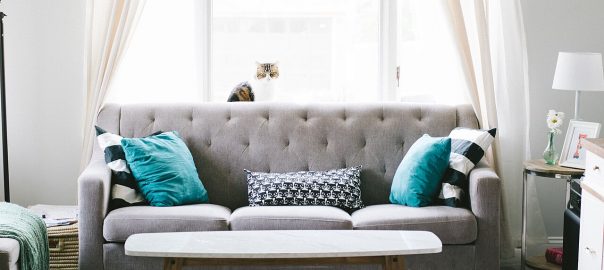
Both options block morning light, but they suit different bedrooms, budgets and sleepers. Here is how they compare on cost, comfort and day-to-day practicality.
This article is general information about everyday health habits, not medical advice. If you have a health condition, are pregnant or take regular medication, talk to your doctor or another qualified health professional before making big changes to your diet, activity or sleep. Figures come from US public health sources such as the CDC, HHS and the Dietary Guidelines for Americans.
Morning light sneaking through the blinds is one of the most common reasons people wake earlier than they want to. The fix usually comes down to two choices: blackout curtains that darken the whole room, or a sleep mask that darkens things from your eyes outward. Both can work, and the better pick depends on your bedroom, your budget and how you actually sleep. It is worth sorting out the light problem alongside the rest of your evening routine, and our evening wind-down routine pairs well with whatever you decide here.
Why Light Matters for Sleep
Light is one of the strongest regulators of the body’s internal clock, the 24-hour circadian rhythm that signals when to feel alert and when to feel sleepy. When light hits special cells in the retina, the brain reads it as information about the time of day and adjusts body processes to match. Darkness does the opposite: in dim conditions, the brain’s pineal gland releases melatonin, a hormone that nudges the body toward sleep.
That is why bright light at the wrong time works against you. Bright light, especially in the cooler tones given off by phone, computer and television screens, can slow melatonin release and keep someone from drifting off. The CDC notes that blue light has the strongest impact on circadian rhythms of any visible light color. Light exposure near bedtime can also shift your whole schedule, waking you too early or making it harder to fall asleep.
Timing matters too. The National Sleep Foundation points out that light has its strongest pull on your circadian rhythm in the hour right after your usual wake-up time, and again from roughly two hours before your normal bedtime through the night. Early morning light streaming into the bedroom lands squarely in that sensitive window, which is exactly why blocking it can make a noticeable difference.
The official guidance is straightforward. The CDC says your bedroom should be very dark, whether you sleep at night or during the day, and it recommends room-darkening shades or heavy, lined draperies, with adjustments made to block light entering around the edges.
Blackout Curtains: What They Do Well
Curtains solve the problem at the source. Once they are up, they darken the room for everyone in it, including a partner who does not want to wear a mask. They also keep working through position changes, which matters if you toss and turn, and they handle the whole sleep period without anyone having to remember anything.
The CDC describes light-blocking shades as inexpensive, easy to install and available at most hardware stores, with light-blocking drapery lining sold at fabric stores. That puts the entry-level cost lower than many people expect, though heavier lined drapes run more. Either way, you pay once and the setup keeps working.
There are a few practical realities to plan for:
- Gaps around the edges. Light leaks in around the sides and top of most curtain setups, so the CDC recommends making adjustments to block it. Mounting the rod wider and longer than the window, or adding side returns, helps the fabric sit close to the wall.
- Blinds alone are usually not enough. The CDC notes that blinds can allow too much light to filter into the bedroom, especially if you sleep during daylight hours or have outdoor light at night.
- They stay in the room. Curtains do nothing for hotel rooms, guest rooms or naps on the couch, and renters may not be able to install hardware at all.
- Upkeep is minor but real. Fabric collects dust and needs occasional cleaning, which can mean a trip to a dry cleaner depending on the material.
Sleep Masks: What They Do Well
A mask takes the opposite approach. Instead of darkening the room, it darkens your view of it, and a well-fitting one blocks essentially all light reaching your eyes. The cost is low, there is nothing to install, and it works in any bed you happen to be in. Frequent travelers, renters and anyone sharing a bed with a night-owl partner tend to get the most out of one.
Fit is the whole game. A mask that presses on your eyelids, slips off during the night or lets light in around the nose bridge will end up in a drawer. Contoured designs leave room for blinking, and adjustable straps help, but expect some trial and error to find a shape that works for your face.
The CDC offers one caution worth taking seriously: an eye mask is only effective if you keep it on for the entire sleep episode. If it migrates off at 2 a.m., the light wins, and you may not notice until you are awake. People who find anything on their face disruptive, or who sleep hot, sometimes struggle with this. If you wake in the small hours anyway, our article on why you wake up at 3 a.m. covers other factors that could be at play.
Cost and Upkeep Compared
| Factor | Blackout curtains | Sleep mask |
|---|---|---|
| Upfront cost | Ranges from inexpensive shades to pricier lined drapes; described by the CDC as inexpensive at the basic end | Typically low, though pricier contoured styles exist |
| Installation | Measuring, hardware and hanging; harder for some renters | None |
| Light blocked | The whole room, but gaps around edges need attention | Everything reaching your eyes, if the fit is good |
| Works while traveling | No | Yes, packs in a bag |
| Comfort | No contact with your body; darkens for everyone | Requires wearing something all night |
| Upkeep | Occasional cleaning, dust collects on fabric | Occasional washing; elastic straps wear out |
If you are budgeting for sleep improvements more broadly, our breakdown of what a good night’s sleep really costs puts items like these in context with the bigger purchases.
When a Combination Makes Sense
The two options are not rivals, and many bedrooms end up using both. A common setup is curtains for the bulk of the night, with a mask as backup for early summer sunrises, a partner who gets up before you, or nights when the curtain gaps still glow. Shift workers who sleep during daylight often need every layer they can get, and the CDC specifically recommends opaque window coverings for anyone sleeping during daytime hours.
A combination also covers the details curtains miss. The CDC suggests blocking light that comes in under doorways, using a draft stopper or turning off hall lights, and keeping the path to the bathroom dark and clear, with a dim red nightlight as an option for wayfinding. It also recommends removing sources of white or blue light in the bedroom itself, such as a clock with a lit dial, a charging phone or a television. A mask ignores all of that by default, which is part of its appeal.
Small step: If you add a mask after installing curtains, give it a full week before judging it. The CDC’s point about wearing it for the entire sleep episode is the detail that decides whether it works.
How to Test Which One Works for You
Start with the cheaper experiment and observe. If you already have decent curtains, wear a mask for a week and note whether you wake less often or later in the morning. If your windows are the obvious problem, basic light-blocking shades from a hardware store are a low-cost first step before investing in heavier drapery.
A few things to watch during your trial:
- When you wake up. Earlier waking that follows the sunrise points to window light; a mask is the likely fix.
- Whether you stay asleep. Waking repeatedly can come from streetlights, headlights or indoor glow, which curtains handle better than most masks.
- How the mask feels at hour five. Discomfort, slipping or heat mean a different fit or style, not necessarily failure of the whole approach.
- The whole room. Stand in your darkened bedroom at night with the lights off and look for glowing LEDs, clock dials and hallway light under the door. The CDC recommends clearing those out too.
Keep in mind that darkness at night is only half the light equation. Getting bright light, ideally outdoors, earlier in the day helps set the same internal clock. According to the National Sleep Foundation’s 2022 Sleep in America Poll, only about half of Americans report getting bright indoor light during morning or afternoon hours, so daytime light is worth a deliberate effort too. If sleep problems persist despite a dark room and a steady schedule, that is a good moment to talk with a doctor or another qualified professional rather than buying more gear.
Key ideas
- Light is one of the strongest regulators of your internal clock, and a very dark bedroom is the goal for better sleep.
- Blackout curtains handle the whole room and work even if you change position, but they cost more upfront and need measuring and hanging.
- Sleep masks are inexpensive, travel-ready and effective, but the CDC notes a mask only works if you keep it on for the whole sleep period.
- Many bedrooms benefit from a combination: curtains for the room and a mask for early mornings, shift schedules or travel.
- Try one option for a week or two and track how you feel in the morning before adding anything else.
Still wondering?
Which blocks more light, blackout curtains or a sleep mask?
A well-fitted sleep mask blocks light reaching your eyes completely, while blackout curtains block light entering through the window. Curtains have to deal with gaps around the edges, and the CDC suggests adjusting them to close those gaps, while a mask works regardless of where the light leaks.
Do I need total darkness to sleep well?
Public health guidance, including from the CDC, says your bedroom should be very dark whether you sleep at night or during the day. Research also suggests even dim light during sleep can affect the body in some groups, so it is worth blocking what you reasonably can.
Can a sleep mask replace curtains if I rent my apartment?
A mask is a reasonable starting point because it costs little, needs no installation and can go with you when you move. The main tradeoff is comfort: it has to stay on all night to be effective, which some sleepers find annoying.
Should I still get bright light in the morning?
Yes. Healthy light habits work in both directions, with dark nights and bright days. The National Sleep Foundation suggests stepping outside for natural light in the morning or afternoon, since daytime light supports the same internal clock that darkness at night protects.