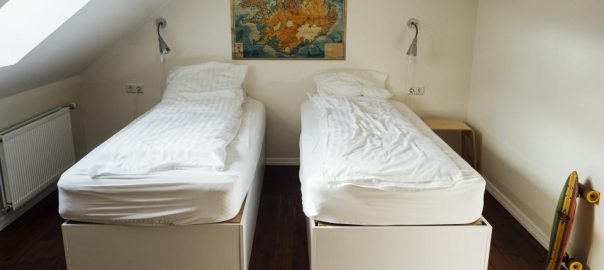
Sleep study prices swing by thousands of dollars depending on where the test happens and how you pay. Here is what each option typically runs and what to ask before you book.
This article is general information about everyday health habits, not medical advice. If you have a health condition, are pregnant or take regular medication, talk to your doctor or another qualified health professional before making big changes to your diet, activity or sleep. Figures come from US public health sources such as the CDC, HHS and the Dietary Guidelines for Americans.
Loud snoring, mornings that never feel rested, or waking at odd hours (our piece on why some people wake up at 3 a.m. every night explains one pattern) can lead a doctor to suggest a sleep study. The medical side is one thing; the bill is another. Prices for the same test can swing by thousands of dollars depending on where it happens and how you pay. Knowing the typical ranges beforehand makes booking less stressful.
What a Sleep Study Is and Who Might Need One
A sleep study tracks breathing, movement and oxygen levels overnight to see whether a sleep disorder explains your symptoms. Two routes exist. An in-lab polysomnography (PSG) happens overnight at a sleep center and is considered the benchmark for diagnosing sleep-related breathing disorders. A home sleep apnea test (HSAT) uses a portable device you wear in your own bed.
The American Academy of Sleep Medicine sets a few ground rules. Only a medical provider can diagnose conditions like obstructive sleep apnea, and a home test must be ordered after an examination, in person or by telemedicine. Such tests are not for screening people without symptoms, and a physician board-certified in sleep medicine, or one working under such oversight, must interpret the raw data.
A traditional home test, sometimes called a type III study, records airflow, breathing effort, heart rate and oxygen saturation but not brain activity, so it measures breathing rather than sleep itself.
In-Lab Polysomnography: Typical Costs
A night in a sleep lab typically lands near $3,000 on average, with ranges from about $1,000 to more than $10,000 depending on the facility and insurance. Hospital charges can push the total higher, and hospital-based sleep centers can top $10,000.
| Cost item | Typical range before insurance |
|---|---|
| In-lab polysomnography | $1,000 to over $10,000, averaging about $3,000 |
| Hospital-based in-lab study | Can exceed $10,000 |
| Home sleep apnea test | $150 to $1,000 |
The spread reflects what a lab study involves: an overnight stay, a technologist, equipment for many measurement channels and a separate physician’s reading fee. Where the lab sits, inside a hospital or a standalone clinic, makes a big difference.
At-Home Sleep Apnea Tests: Typical Costs
Home tests usually run $150 to $1,000, and many fall between $150 and $500. Some cash-pay providers bundle device, shipping and a physician’s review for a flat fee near $189. With simpler equipment and no overnight staff, the price is usually a fraction of a lab study.
Published program data backs up the gap. One sleep center’s analysis put per-patient costs at $419 for at-home testing versus $746 for in-lab testing, and noted home testing works best for people with a high likelihood of sleep apnea and no significant other health conditions.
A home test is not always the right tool either. If other sleep disorders or a complicated health history are in play, an in-lab study may be worth the higher price.
How Insurance and Medicare Handle Coverage
Medicare Part B pays for all four types of sleep tests when a provider orders one and you have symptoms pointing to sleep apnea. Type I tests are covered only in a sleep lab facility. Once your Part B deductible is met, your share is 20 percent of what Medicare approves for the service.
If a study leads to a sleep apnea diagnosis, Medicare may cover CPAP therapy, starting with a 12-week trial of the device and accessories. Coverage continues if you meet your provider in person and they document the therapy is helping. You pay 20% of the approved amount for the machine rental and supplies like masks and tubing, and after 13 months of rental payments you own the machine.
Private plans often cover medically necessary studies too, but what you owe comes down to your plan, your deductible and whether the sleep center is in network. Claims data cited by one testing provider suggests some insured patients pay as little as $0 for a home study, though that depends entirely on their plan.
Extra Costs Worth Asking About
The test fee is rarely the whole bill. Charges that may come up:
- Renting or buying PAP equipment if a diagnosis follows
- Follow-up visits to review results and adjust treatment
- Ongoing supplies such as masks, tubing and filters
- Separate fees for the physician’s reading, sometimes billed apart from the facility charge
- Pre-authorization requirements, since skipping one can leave you with the full bill
- Repeat testing if a negative home test leaves doubt, which one program analysis showed could raise costs to $515 per patient
Small step: Before you book, ask the sleep center for a written estimate covering the facility fee, the physician’s reading and any equipment charges.
Questions to Ask Before You Book
A few phone calls can save real money:
- Does my plan require a referral or prior authorization?
- Are the facility, equipment and interpreting physician in my network?
- What will I owe after deductible and coinsurance, in writing?
- Does my provider think I qualify for a home test?
- If treatment is recommended, what will CPAP equipment cost under my plan?
While you wait, small changes at home cost nothing. Our breakdown of what a good night’s sleep really costs covers the wider picture, and an evening wind-down routine is a good habit to start regardless. If a bed upgrade is on your list, see our pre-purchase mattress checklist.
Key ideas
- In-lab polysomnography averages about $3,000 and can range from roughly $1,000 to over $10,000 depending on the facility and insurance.
- Home sleep apnea tests typically cost $150 to $1,000, a fraction of the price of an in-lab study.
- Medicare Part B covers all four types of sleep tests when a provider orders one for symptoms of sleep apnea; your share after the deductible is 20 percent of the approved amount.
- Follow-up visits, PAP equipment and supplies can add costs beyond the test itself, so ask for a full written estimate before you book.
Still wondering?
Is a home sleep apnea test as accurate as an in-lab study?
In-lab polysomnography is still the benchmark, but home tests built on FDA-cleared medical-grade devices have shown high sensitivity and specificity for detecting moderate to severe obstructive sleep apnea. A home test does not measure sleep itself, so results can underestimate severity, and a physician must interpret the raw data either way.
Can I order a sleep test for myself?
No. The American Academy of Sleep Medicine’s position is that a home test is a medical assessment only a provider can order after an examination, and it should not be used to screen people without symptoms.
Does insurance cover a sleep study?
Medicare Part B helps pay for all four types of sleep tests when you have symptoms of sleep apnea and a provider orders one; after the Part B deductible, your share is 20 percent of the approved amount. Private plans often cover medically necessary studies, but what you owe depends on your plan, deductible and network.
Why do prices for the same test vary so much?
Facility type, your insurance plan, your deductible, whether the physician’s reading is billed separately and your location all shift the number. Hospital-based sleep centers generally charge more than standalone labs.